
When is it time to Sell Out?
Keep 'Go Slo' Harbor Springs, or drive property prices up with "progress" while making it harder for newcomers, younger families, or non-owners to afford living here.
The last Open House is tonight, Thursday, from 5:30-7:30 PM at City Hall. Please help with the process and attend in person.
Attending the Open Houses reminds us our community is a diverse group with many thoughts, but one common thread emerges - Preserve and Protect Harbor Springs. The Preserve and Protect community seeks to move cautiously. Zoning changes that give new rights are irreversible under principles of “A taking”. We prefer to introduce changes step by step, once a broad consensus has been reached. Changes should be community-driven, not state objectives.
When we talk about the community, we mean full-time residents, long-term home owners, retirees, weekend warriors, and area townships. We have learned that the community falls into four distinct groups:
- Legacy Families: Multi-generational residents/part-time families and their children who want continuity, stewardship, pride for their town, not volatility, or unrest.
- Weekend Warriors: Transactional buyers focused on buying or staying in their perfect ski/lake home base now, happy for a resale premium later.
- Lifestyle Retirees: Want convenience, services, and accessibilty; seek to maximize property value in their estate, or to sell and cover later retirement.
- Policy Reformers: Well‑intentioned advocates for statewide “equity”/standardization who want Harbor Springs to look more like everywhere else.
This leads to two dominant views.
- Cautious: Maximize Lifestyle. Implement small step-wise zoning changes to make things easier for all current residents. Consider changes to zoning based on a resident-identified problem statement and impact analysis.
- Upzone: Maximize Property. Simplify the zoning and open more options to streamline development. Ease approvals. Attract developers and new housing types.
We are in the ‘Cautious’ camp - we want to modernize the zoning format, close the loopholes, and incorporate answers to concerns from property owners. Approve those changes now. Then, carefully consider upzoning changes one by one, rather than as a bulk change. As to Planned Development (PD), keep the acreage and height, and relieve the 1 home per acre density constraint, mirroring the neighborhood density.
The Planning Commission instead decided to rewrite the entire code. It tried to make educated guesses at the possible implications. And to somehow form a consensus across 150+ pages of new zoning code, 1,500 property owners, and all sorts of competing interests from people who can’t possibly attend every Planning Commission meeting. Add on top, problems with Zoom meetings, and outbursts that non-citizens have no rights. A much harder, longer, and more difficult process that delays the principal community request for an updated format. Now, after five years of effort, it’s unclear when it will ever end.
The Planning Commission is finalizing its recommendations, but they are only recommendations. We recommend they table their Aug 21st decisions. Address the 100+ concerns raised in the open house. And move forward with a draft recommendation.
The Planning Commission has no authority to implement zoning. Only the City Council can make that decision.
Time for a decision
The City Council has a decision to make. #1 or #2.
- Maximize Enjoyment: Keep Harbor Springs essentially as it is. Maximize lifestyle. Slow external forces. Work on the needed infrastructure to prepare for future needs. Making life for residents easier. Lower taxes so people can remain in their homes longer.
- Maximize Land Value: Modernize the code, include upzoning like Planned Development, Accessory Dwelling Units (ADUs), Cluster Housing, Co-living, and other elements. Maximize tax revenue to pay for more parks, new lights, narrow streets to add trees, etc.
For more than one hundred years, the City Council has worked to maximize enjoyment, balanced with stewardship. They need to decide now if they just want to “payout”.
We think the City Council should consider making these 3 motions:
- Motion A: Scope Control:
“I move that Council return the draft code to the Planning Commission with instructions to: (1) finalize formatting, definitions, and documented owner‑complaint fixes; (2) remove PD expansion and any by‑right or overlay changes for ADUs, Cluster Housing, and Co‑living; and (3) resubmit within 60 days.”
- Motion B: Problem‑First Gate:
“I move that Council establish a policy requiring any future zoning change to include a resident‑identified problem statement, impact analysis, enforceable conditions (where applicable), and a sunset/pilot clause.”
- Motion C: PD Guardrails (if CC insists on keeping PD at all):
“I move to retain objective PD limits (minimum acreage, conformance with base‑district height/coverage, mandatory open‑space ratios), treat PD as a rezoning to preserve referendum rights, and require compatibility standards in historic areas.”
What changed, and why residents are uneasy
- Planned Developments (PDs): As we documented, the draft PD article strips out hard limits (minimum acreage, height, etc.) and turns PDs into discretionary, parcel‑by‑parcel mini‑rezonings, exactly the loophole resort towns regret and developers love. (Read More)
- Many people only recently realized this shift: It deserves more serious discussion. It flips Harbor’s long‑standing, objective guardrails to subjective “benefits.”
- The state/national playbook: Michigan’s Michigan Economic Development Corporation (MEDC), and Redevelopment Ready Community (RRC) framework pushes cities to “remove barriers to development,” expand by‑right uses, and speed approvals. Those incentives are reflected in our draft code and in how Tax Increment Financing (TIF) capture and zoning are being integrated. Outside forces want access to Harbor Springs, so they can maximize area growth and property value.
Reality check: Zoning can’t fix housing markets
Interest rates, high-end demand, construction costs, a lack of subcontractors, and second-home wealth are outside our control. We have more than enough housing in the country; it’s just not located in the most desirable areas. In places like Harbor Springs, upzoning mostly raises the value of house sites and produces higher-end units, rather than attainable homes. Lots are merged together for larger homes. Co-living is used for temporary staff housing during “the season”. PDs in small resort towns commonly yield luxury outcomes, legal fights, and broken trust. We have already laid out those case patterns. (Read More)
If the goal is affordability, support it with numbers (cost per door, financing, covenants, and enforcement) and provide a proposal. Otherwise, we are just guessing and risking unintended price inflation.
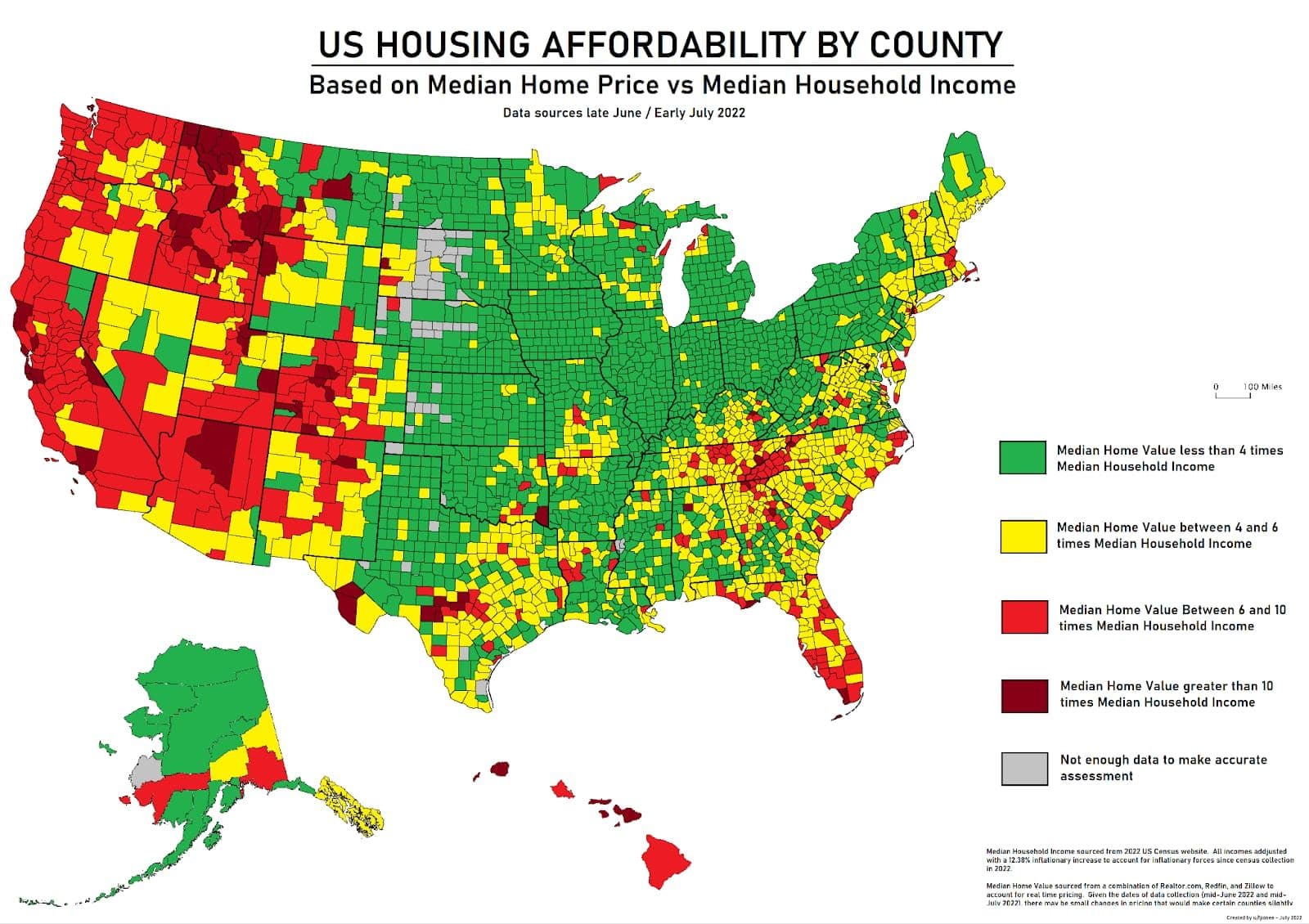
Look and see where Harbor Springs is on the map.
**- -
Why Zoning Changes Are So Emotional And What Harbor Springs Can Learn From It
Zoning is not just a technical process. It’s a deeply emotional and often divisive subject because it directly affects the character, culture, and future of a community. In Harbor Springs, both permanent residents and second-home owners have found themselves in the middle of a zoning debate that has, once again, stirred confusion, frustration, and distrust. And this isn’t happening in a vacuum, it’s rooted in real process breakdowns and missed opportunities for engagement.
A Longstanding Concern, Ignored
Back in 2023, when the City of Harbor Springs hired the Planning Consultants Beckett & Raeder, expectations were clear. The final approval for Zoning Code #439 was recommended to be scheduled between October and December 2024, giving the community time to learn, understand, and provide input. The City Manager, Planning Consultants, the Planning Commission, and the MEDC (through a RRC grant) had all agreed on the importance of a methodical, inclusive process.
Yet, despite this, the City Council and Planning Commission accelerated the process and pushed for a final vote in May 2024, five months ahead of the timeline. Why the rush? And why the silence from the very planning consultants who were expected to advocate for thoughtful community engagement?
That ended badly. Given the totality of it all, we have always said the right answer is less change, incremental updates. The Planning Commission is simply pushing way too many things, with too little motivating interest from the community. That mix of forces never ends well. The cascading effects are simply too hard for people to absorb.
The Role of the Planning Commission and Its Limits
The Planning Commission’s legal duty is clear: To act as an advisory body to the City Council, nominated from residents, prioritizing the health, safety, and welfare of the entire community. The proposed draft outlines that role. But in this case, questions were raised about whose vision was being advanced and whether community input would truly inform the final draft.
One commissioner even questioned where the draft got its inputs, and now especially since the changes proposed (including Cluster Housing, Planned Development, ADUs, and Co-living) had not been explicitly reflected in past community surveys or the Master Plan.
Worse yet, these significant housing concepts were never adequately discussed in terms of location, a detail that is absolutely central to zoning and also queried by current commissioners. In less than 20 minutes, months of collaborative planning were upended. It’s simply too much.
Why People Are So Emotional About Zoning
Zoning determines what gets built, where, and by extension, who belongs in a community, what it looks like, and how it functions. For permanent residents, zoning changes can threaten the familiarity, scale, and feel of their neighborhoods. For second-home owners, it can affect property values, seasonal rhythms, and the environment they’ve come to cherish. Real estate is their lifetime investment.
When zoning changes feel rushed or driven by ideology rather than data and consensus, people become suspicious. They feel disempowered, unheard, and betrayed. That’s where the emotion comes from, not just from the proposed changes themselves, but from the process by which they’re introduced.
A Failure of Process, Not Just Policy
The controversy isn’t simply about housing types like ADUs or Co-living. It’s about the lack of understanding of the careful, choreographed explanations of the Articles and their benefits. Communities need time to digest changes, ask questions, and trust the people leading the process. Now we realize that location should have been brought up at the beginning of the summer for discussions. That’s the problem we all have now, coupled with so many changes. Since no one on the planning commission or in the community has been through a total rewrite of zoning, is it a surprise that it is hard to get right?
Beckett & Raeder, by their silence and absence during key moments, failed to uphold their responsibility as neutral professionals guiding the process. Planning Commissioners, too, failed to sufficiently anticipate the emotional reaction from a community already bruised by past zoning battles. How could the Planning Commissioners even guess or comprehend the emotional responses coming from the community?
Even those who worked so hard, like Chairman Bill Mulder, have found themselves asking: What happened? After months of collaboration, how did everything unravel so quickly?
How Do We Reestablish Harmony?
- Start With An Explanation**: Every proposed zoning change, especially related to housing, must be accompanied by clear, public location maps and justification rooted in existing data, infrastructure review, and plans. Some can be tabled for later.
- Rebuild Trust With Process: Return to a step-by-step community engagement plan. Set dates. Invite feedback. Show how the Winter Listening Sessions and Open Houses input was used and create benefits and compromises in line with our Master Plan Goals and Objectives.
- Empower, Don’t Surprise: No more last-minute changes or rushed decisions. Surprises breed resentment. Transparency builds resilience.
- Re-engage Consultants With Accountability: If Beckett & Raeder are to continue, they must directly address the community's concerns, explain the timeline breakdowns, and participate publicly in rebuilding trust.
- Honor the Master Plan: Use the most recent community Master Plan as the guiding document. If a zoning change doesn’t reflect the plan’s vision, ask why and who’s really behind the push.
A Final Thought
Zoning is emotional because it is a personal matter. But it doesn’t have to be divisive. With honest communication, respect for process, and clear accountability, Harbor Springs can reestablish harmony and chart a future that honors its past and welcomes its next chapter.
Let this moment be a turning point, not another missed opportunity. The decision for the City Council is to keep things as they are, or open Harbor Springs to sell out at the highest price possible. If they do, that is their legacy.